

### Blog Post:
Quiet book for toddlers offers one of the most effective ways to keep young children engaged with meaningful, hands-on activities while supporting their early development. As screen-free toys surge in popularity, more parents are exploring quiet books for enhanced fine motor skills, problem-solving, and focused play for little ones aged 1-3.
Key Takeaways
- Quiet books for toddlers are rapidly growing in popularity, with diverse educational and sensory benefits aligned with Montessori principles.
- Choosing the right quiet book means weighing safety, durability, and engagement—ignore features at your own risk.
- Felt and fabric activity books outperform electronic alternatives for motor skill growth and screen-free learning.
- What Is a Quiet Book for Toddlers and Why Are They So Effective?
- How to Choose the Best Quiet Book for Your Toddler: Step-by-Step
- Expert Analysis: Common Pitfalls and What to Watch Out For
- Conclusion: Maximizing Benefits from a Quiet Book for Toddlers
- FAQ: Quiet Books for Toddlers
What Is a Quiet Book for Toddlers and Why Are They So Effective?
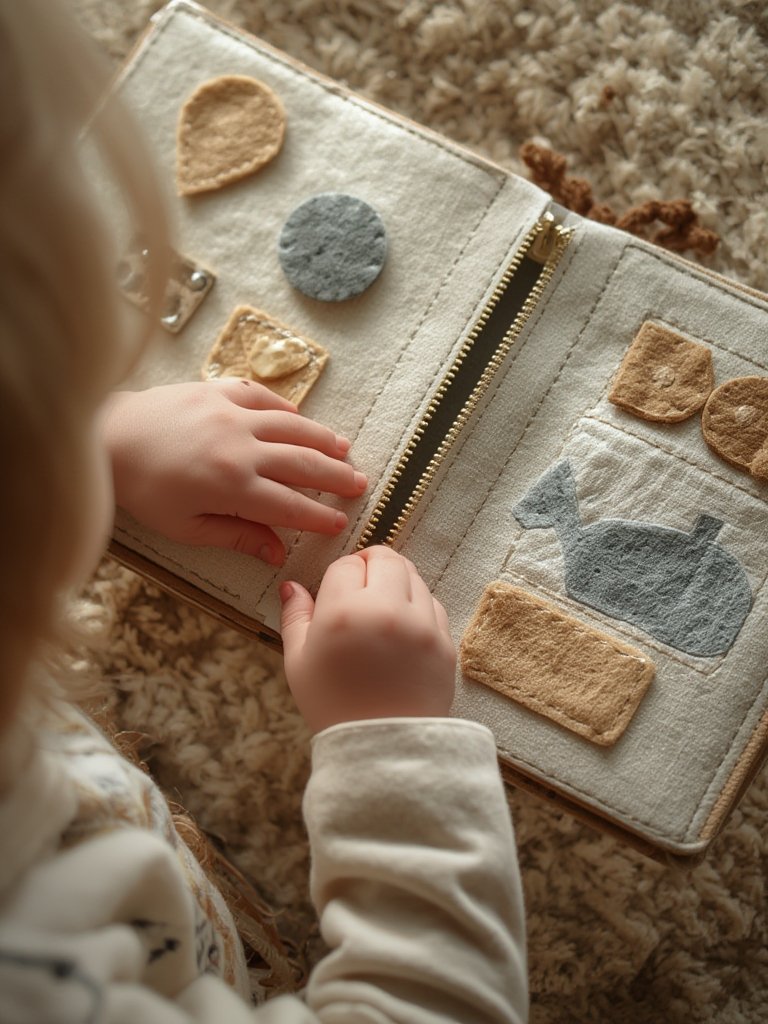
Quiet books for toddlers, also called busy books or soft activity books, are interactive fabric books designed for ages 1-3. Inside, you’ll find pages with zippers, buttons, laces, Velcro, and textures offering hands-on activities like shape matching, color sorting, and simple pretend play. The core purpose is to combine screen-free entertainment with developmental milestones—fine motor skills, hand-eye coordination, and problem-solving—with tactile, safe materials.
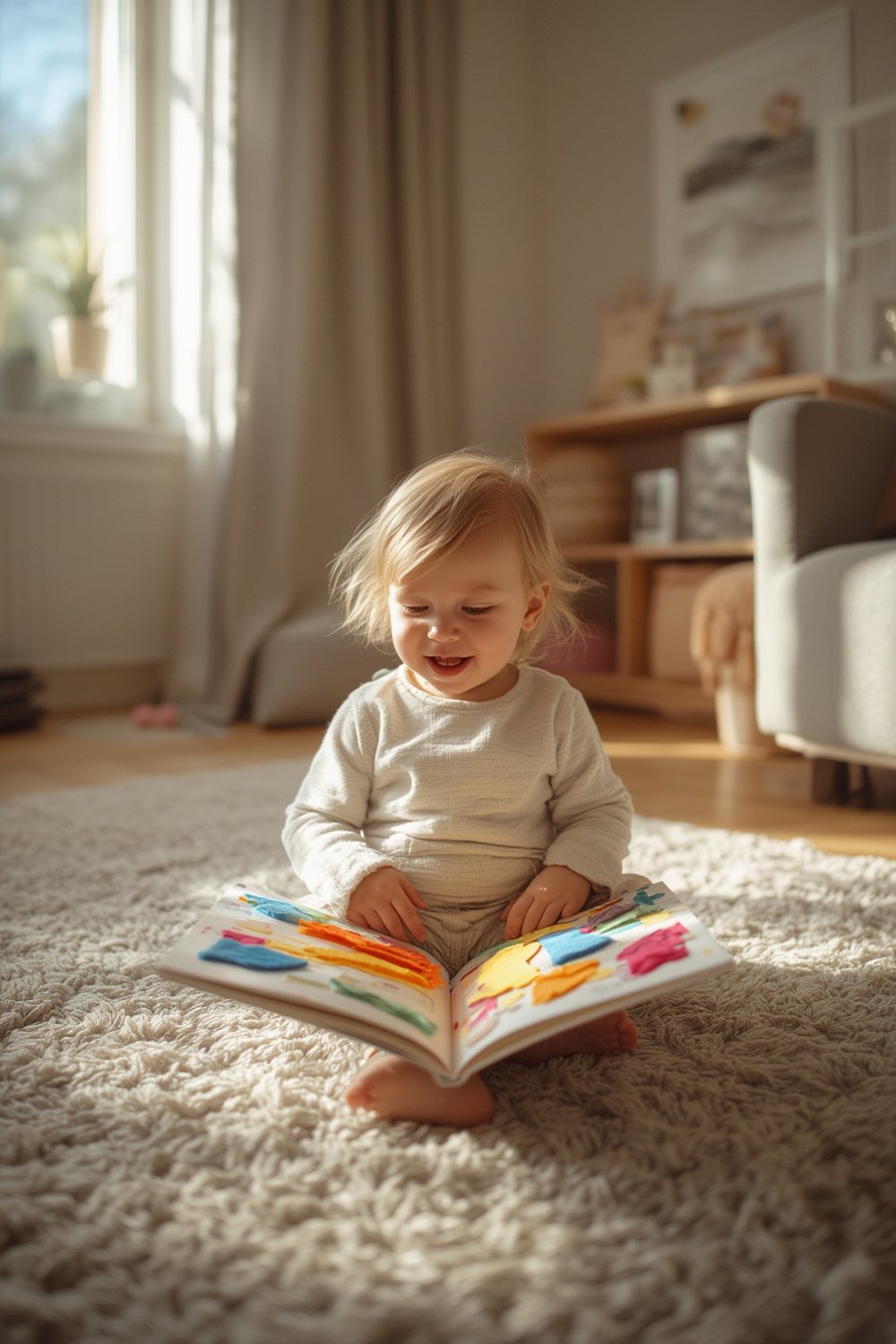
Market data for 2024 shows a massive increase in interest. Montessori Quiet Books—including toddler-specific versions—reached USD 463 million globally this year. Fabric Busy Books for Toddlers hit a surprising USD 1.2 billion, with over 62% of North American children owning one. This growth is fueled by a parental push for screen-free, hands-on learning that supports independence and confidence from an early age.
Unlike sticker books or digital tablets—which can lead to screen overload and generally don’t target fine motor skills—felt or fabric quiet books offer 40% higher engagement for fine motor activities, according to a 2024 haptics study. This makes them an ideal tool for any parent or caregiver focused on child development in a modern, distraction-heavy world. If you’re comparing activity books, Montessori busy book models are a reliable benchmark.
How to Choose the Best Quiet Book for Your Toddler: Step-by-Step
Ready to bring a quiet book into your toddler’s routine? Follow these actionable steps.
1. Prioritize Material Safety
Look for books made of non-toxic, BPA-free felt or certified organic cotton. Product listings may not specify the latest 2024 certifications, but reputable vendors emphasize safe dyes and child-friendly construction. European shoppers especially value eco-conscious and hypoallergenic fabrics, according to market analysts.
2. Evaluate the Activities
For ages 1-3, the most meaningful activities focus on:
- Buttoning and unbuttoning
- Zipping and unzipping
- Lacing and tying
- Shape, color, and number matching
- Simple puzzles and snap-on tasks
These pages help build hand dexterity, concentration, and independence in young children. If your child is older, look for slightly more complex actions, similar to certain choices in a screen-free activity book.
3. Inspect for Durability
Hand-sewn artisan books often have tighter stitching and superior fabrics compared to mass-produced versions. While detailed price breakdowns are rare, artisan busy books generally last longer and withstand repeated tugging, biting, and drool. Reinforced seams, washable materials, and large pieces are prime markers of a book that will survive toddler life.
4. Consider Travel Friendliness
For on-the-go families, opt for compact formats with a carrying handle and secure closures. Avoid books with many loose or detachable parts, as these are lost easily. Most articles miss this: some travel-friendly books optionally fold out into play mats or have water-resistant pages—ideal for car, plane, or doctor visits.
5. Balance Price with Expected Use
Handmade, premium quiet books with zippers, buttons, and lacing fetch higher prices (estimates range widely between $30-$90+). Mass-produced books are cheaper but may use less durable materials or poorly attached pieces. Assess how often your child will use the book and how rough the play may be before investing in a premium model. If affordability is a core requirement, review options similar to our picks in bold and easy coloring book for value-driven choices.
6. Prioritize Educational Value
Quiet books should not just entertain—they’re a tool for developing fine motor skills, independence, vocabulary, and early counting. Soft books for babies (<12 months) may emphasize high-contrast visuals and crinkly textures, while toddler versions engage more interactive skills. Classroom educators and therapists often rate high-quality busy books as essential for focused, calm learning time away from screens.
For more on unplugged, growth-focused activities, visit our adult coloring books stress relief guide. The logic—calm engagement, mindful action, less digital distraction—carries across age groups.
Expert Analysis: Common Pitfalls and What to Watch Out For
Parents come to quiet books hoping for durable, safe, and truly engaging activities—but problems do arise. Here’s what the research and experience show:
| Potential Issue | What Can Go Wrong | How to Avoid |
|---|---|---|
| Small detachables | Choking risk or loss of parts | Check that pieces are oversized and securely sewn. Always supervise initial play sessions. |
| Loose threads/poor stitching | Book falls apart quickly | Read reviews for quality and durability—artisanal books usually last longer. |
| Lack of engagement | Child loses interest fast | Choose books with a diverse range of activities and rotate as needed. |
| Unwashable fabrics | Stains and odors build up | Buy machine-washable books and wash before first use. |
| No clear safety standards | May contain unknown or outdated materials | Contact the seller before buying or seek verified materials. European eco-standards are a strong indicator of product safety. |
Sticker books and tablets, in comparison, offer less tactile feedback and may encourage short attention spans or screen dependency. While these digital or paper formats have their place, studies like the 2024 Haptics Research review report up to a 40% boost in engagement with soft, tactile materials versus alternatives.
Most competitor articles miss deeper travel tips or fail to explain how subtle material changes (e.g., stitched felt vs. glued felt) change durability and engagement. Whether you’re shopping for home or travel, keep critical quality controls in mind. For adults seeking the quiet book effect, try our mandala coloring book for adults resource.
Screen-free play is a proven way to foster real-world skills and calm focus, regardless of age. If you’re concerned about digital overload, explore our deep-dive on screen-free activity books—it’s a timely issue for both parents and educators.

Conclusion: Maximizing Benefits from a Quiet Book for Toddlers
Quiet books for toddlers are surging for good reason: they deliver screen-free, tactile learning proven to boost motor skills and early cognition. Ensure safety by checking for quality materials and secure assembly, and match activities to your child’s age. With the right quiet book for toddlers, you open the door to focused learning and fun, at home or on the go. Ready to choose or gift a busy book? Start your next step by exploring our latest quiet book picks and practical activity guides.
FAQ: Quiet Books for Toddlers
What is the ideal age for a quiet book?
Most quiet books are perfect for ages 1-3, but versions exist for infants (focused on sensory textures) and preschoolers (with more complex activities). Always check the recommended age before buying.
Are quiet books safe for toddlers who mouth everything?
If your child puts things in their mouth, choose books with oversized, sewn-in pieces and double-check seams for durability. Always supervise at first and contact the seller if you have safety concerns.
How do I clean a fabric quiet book?
Most high-quality quiet books are hand- or machine-washable. Use cold water, gentle cycles, and lay flat to dry to prevent shrinking or warping. Always follow the specific care instructions provided.
How long will my child use a quiet book?
Many toddlers use their quiet book for several months or even years, especially if you rotate the pages or bring it for travel. As your child grows, seek out advanced versions or modular pages.
Are there affordable alternatives to handmade artisan quiet books?
Yes, mass-produced quiet books offer a budget-friendly introduction, but may not last as long or use top-tier materials. Start with what fits your budget, and upgrade if your child shows sustained interest.
—