

Montessori busy book options are gaining traction as parents and educators look for hands-on, screen-free learning tools that actually keep toddlers engaged. But with hundreds of choices and few genuine expert reviews, how do you pick a Montessori busy book that truly helps your child—and avoids the usual pitfalls?
Key Takeaways
- The Montessori busy book market is booming in 2024, but objective durability, safety, and engagement data remain scarce.
- Buyers should prioritize proven materials and age-appropriateness, as real-world testing is limited and certifications are rarely marketed transparently.
- Combining commercial busy books with DIY ideas or alternative screen-free activity books helps keep toddlers motivated and learning longer.
- What Is a Montessori Busy Book and Why Use One?
- How to Choose and Use a Montessori Busy Book
- Analysis & Common Pitfalls
- Conclusion
- FAQ
What Is a Montessori Busy Book and Why Use One?
A Montessori busy book—sometimes called a quiet book—offers a collection of stitched, felt, or fabric-based activities for toddlers that build fine motor skills, concentration, and independence. Unlike flashy electronic toys, these tactile books encourage children to zip, button, match, and problem-solve at their own pace, following key Montessori principles. This hands-on format is especially popular among parents seeking meaningful, screen-free play that quietly builds pre-academic foundations in toddlers ages 2-4.

The global Montessori busy book market reached $463 million in 2024, with rapid growth fueled by increased parental awareness and the desire for quality, screen-free education. These books align with Montessori’s self-directed, error-correcting ethos, giving children control over discovery while subtly introducing practical life skills and cognitive challenges.
For a broader look at offline, enriching pastimes, see our adult coloring books stress relief guide—proving activity books aren’t just for kids.
How to Choose and Use a Montessori Busy Book
Finding and using the right Montessori busy book can be straightforward if you focus on educational value, durability, and safety. Here’s how to make your selection count and maximize engagement at home or in the classroom.
Select the Right Montessori Busy Book
- Prioritize Age Relevance: Ensure the book’s activities and pieces align with your child’s skill level. Most felt busy books list recommended ages, but always scan for complexity and potential hazards.
- Inspect Materials & Construction: Choose options made of tightly-stitched felt or cotton with firmly attached parts. If the listing doesn’t mention manufacturing standards, contact the seller or look for independent reviews for details.
- Check for Safety Certifications: Although few brands openly display them, certifications like CPSIA (US) or EN71 (EU) indicate basic safety testing. Absence of these does not automatically mean unsafe—but it’s a yellow flag.
- Look for Variety and Challenge: Opt for books with a mix of lacing, zipping, buttoning, matching, and counting tasks to support well-rounded skill development.
- Read Real Reviews Carefully: Since comprehensive durability data is lacking, pay extra attention to parent feedback about wear and defects.
For example, some buyers recommend avoiding excessively cheap listings (like those under $5), as these are often constructed with weak adhesives or minimal stitching (source).
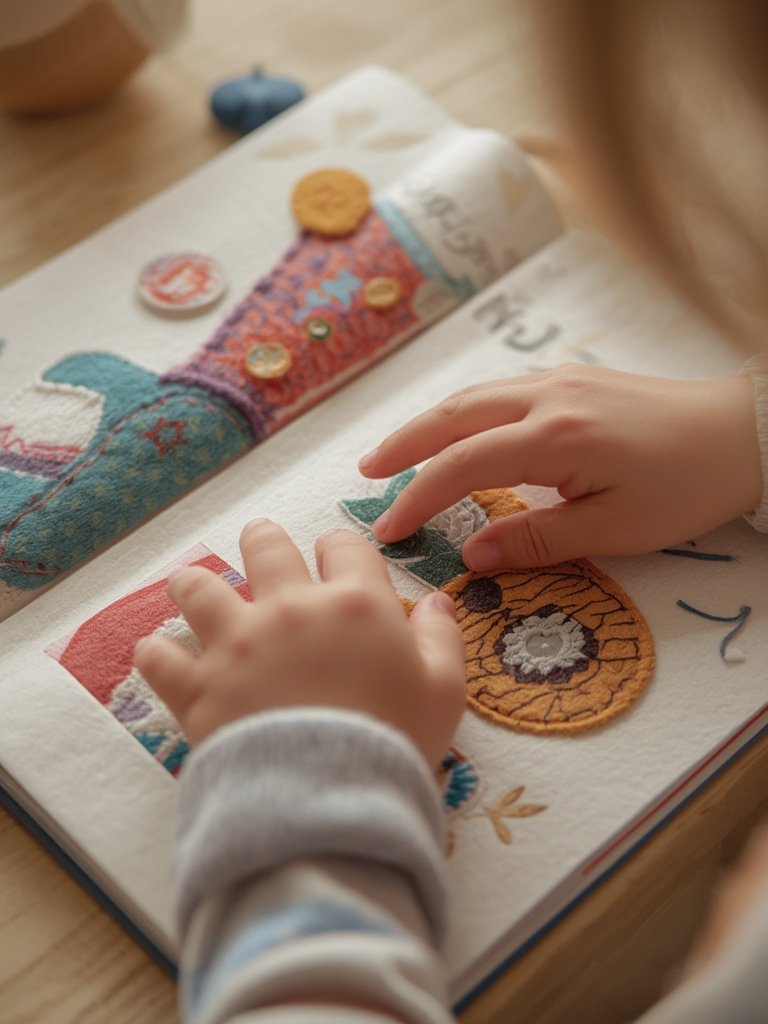
Integrate Busy Books into Daily Routines
- Dedicate Uninterrupted Quiet Time: Choose a consistent, screen-free window—like before naptime or during independent play—for Montessori busy book sessions so kids associate them with focused, peaceful fun.
- Let Children Self-Direct: Resist the urge to instruct. Montessori methods encourage self-correction and trial and error, so step back and observe rather than direct.
- Combine with Other Activities: When interest flags, rotate with other engaging options such as self love coloring books for women (for older siblings or adults) or big bold coloring pages.
- Maintain and Clean: Lightly hand wash or spot-clean felt pages when required and store out of reach from pets to prolong lifespan.
DIY vs. Commercial Books: Which Is Best?
- Commercial Busy Books: Entry-level prices are as low as $4.8-$5.9 USD (source), but expect to pay more ($15-$40) for larger, multi-activity sets or European imports.
- DIY Busy Books: No robust data exists about cost or time, but DIY versions allow for custom activities and higher material quality—if you invest the time in design, shopping, and assembly.
- Tip: Balance is often best: supplement a low-cost ready-made book with your own customized pages, especially if you want to target specific skills or themes your child loves (e.g., vehicles, weather, animals).
Analysis & Common Pitfalls
Despite rapid growth in the Montessori busy book market, shoppers—and even educators—face several recurring problems due to the lack of standardized, transparent testing and reporting.
What Most Buyers Don’t Know
- Long-Term Durability Is Unproven: No major brand reports real-world wear testing or lifespan data for 2-4 year olds. Hand-sewn felt can fray, Velcro may weaken, and glue can fail over time—especially if dropped, chewed, or tugged frequently.
- Safety Evidence Is Generalized: Although most reputable busy books are marketed as safe, few sellers clarify certifications or provide choking hazard data. Always perform a manual check for loose or detachable pieces on arrival.
- No Concrete Engagement Studies: While reviews mention toddler enjoyment, there are no published studies or seller data showing how long children remain engaged over weeks or months. Expect some novelty wear-off after repeated use.
- No Expert or Educator Endorsements: Lists of “best Montessori busy books” are based on user reports, not independent child development specialists. Meaningful distinctions between brands are rare.
| Aspect | Commercial Busy Book | DIY Busy Book | Other Interactive Books |
|---|---|---|---|
| Cost | $5 – $40 (average: $15-$25) | $10 – $40+ (depends on projects & materials) | $6 – $30 |
| Skill Development | Fine motor, sensory, basic math & life skills | Fully customizable | Varies (often less tactile, more passive) |
| Durability | Varies, limited data, review-dependent | As strong as chosen materials & craftsmanship | Paper and board books may wear or tear |
| Safety | Inconsistent certification reporting | Depends on maker’s expertise | Typically well-regulated, but less open-ended play |
| Engagement Over Time | No robust data, novelty may fade | Can be updated with new pages | Limited variety in most commercial books |
For parents seeking robust, ongoing engagement, mixing busy books with a selection from our cute animals stress relief coloring book collection often delivers better results than relying on any single tool.
Conclusion
The right Montessori busy book can spark creativity, reinforce vital skills, and make independent play genuinely rewarding for children ages 2-4. Yet, because the market is crowded and most listings lack clear durability, safety, or engagement evidence, be strategic in your choice and rotate with other screen-free activity books to avoid burnout. With careful review and maintenance, a Montessori busy book can become the heart of a joyful, lifelong learning routine. Ready to find your child’s next quiet-time favorite? Start exploring now and see real progress by letting them learn at their own pace.
FAQ
What ages are Montessori busy books best suited for?
Most Montessori busy books are designed for toddlers aged 2 to 4. Always check each product’s recommendations and inspect for small, detachable parts before giving to children under 3.
Are Montessori busy books safe for all toddlers?
Most commercial options are designed with safety in mind, but compliance with certifications like CPSIA or EN71 is not always displayed. Inspect all parts and remove loose pieces for younger children.
How long does a typical busy book last?
Durability varies greatly depending on material quality and intensity of use. Some last for months with gentle play, while others may fray or lose attachments within weeks, especially under rough toddler handling.
Is making a DIY Montessori busy book worth it?
If you enjoy crafting and want tailored activities, DIY books can be rewarding and durable. However, expect to invest more time and often more money than a basic commercial model costs.
How do Montessori busy books compare to other activity books?
Busy books emphasize tactile, practical life skills, while traditional activity books or coloring books (like bold simple coloring books) focus on creativity and fine motor control in different ways. Mixing formats offers the best overall development.