


### Blog Post:
Screen-free activity books have become essential tools for families and adults who want to reduce screen time and engage in purposeful, creative offline experiences. With average daily screen use now exceeding 7 hours for both adults and children, the push for healthier, unplugged alternatives is more important than ever. This guide breaks down exactly what these books are, why they matter now, and how to make the best use of them for both personal wellness and family connection.
Key Takeaways
- Screen-free activity books offer simple, portable alternatives to digital devices for both adults and kids seeking downtime, creative expression, and connection.
- Daily screen time averages now exceed 7 hours for most age groups, fueling increased interest in unplugged entertainment and mental health tools (source).
- Choosing and using the right activity books helps you set realistic screen-free routines and avoid common pitfalls like boredom or lack of variety.
- What Are Screen-Free Activity Books and Why Does Screen Time Matter?
- How to Use Screen-Free Activity Books: Step-by-Step Guide
- Advanced Analysis & Common Pitfalls
- Conclusion
- Frequently Asked Questions
What Are Screen-Free Activity Books and Why Does Screen Time Matter?
Screen-free activity books are physical, analog books packed with puzzles, games, coloring pages, creative prompts, and mindful exercises. They’re intentionally designed to be engaging without the need for apps or devices. For both kids and adults, these books serve as practical digital detox tools that help curb excessive screen use and promote better focus, creativity, and relaxation.
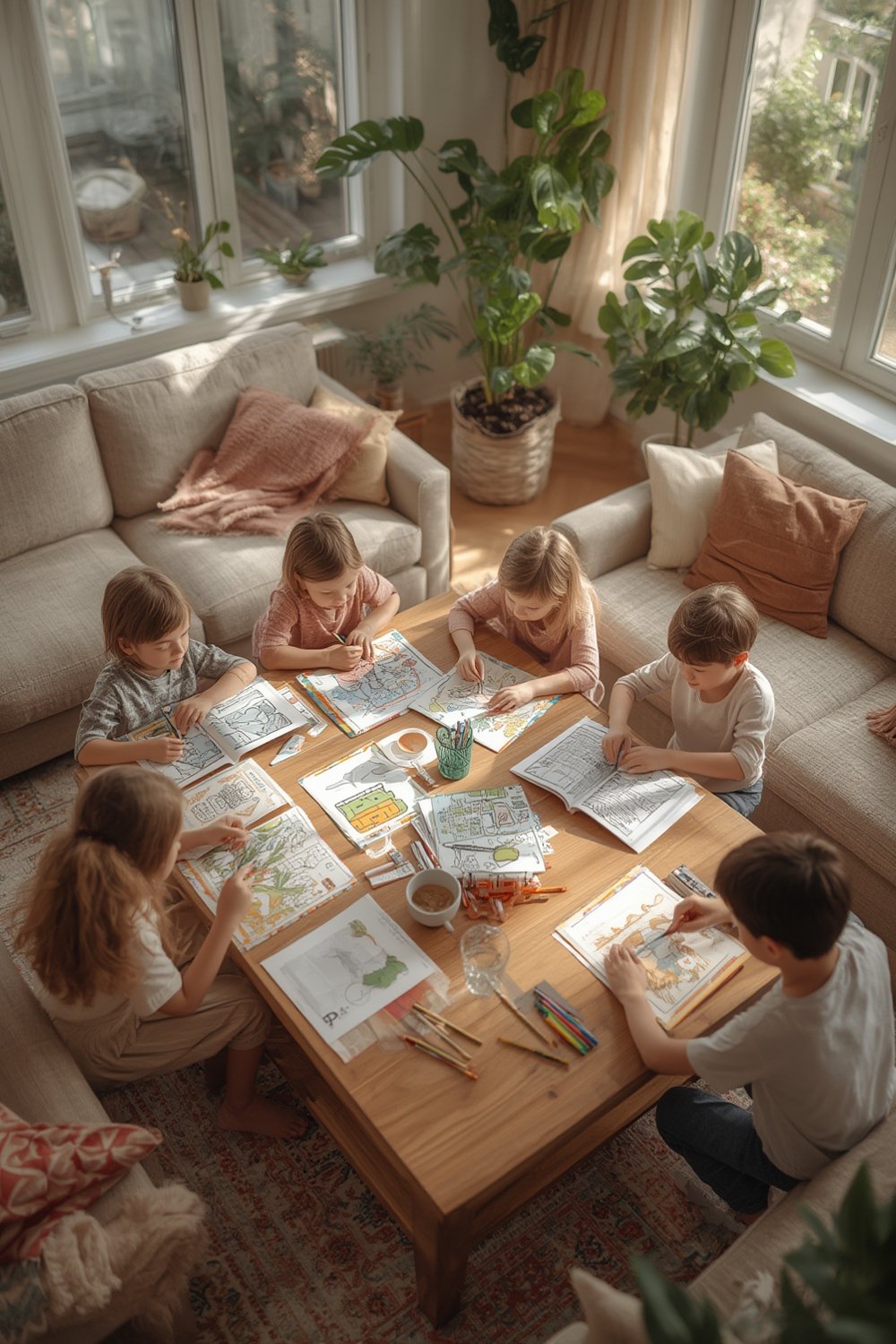
Why now? According to recent research, adults worldwide (ages 16–64) average more than 6 hours 38 minutes daily on screens, with Americans logging about 7 hours 4 minutes [Backlinko]. Children’s numbers are also staggering: U.S. kids under 13 now spend over 21 hours per week on screens, more than double what parents would prefer (source). Parents, teachers, and health experts all express growing concern about the impact on attention spans, anxiety, and overall wellness [Exploding Topics].
This unprecedented screen time drives strong demand for screen-free activity books, not just for children, but also for adults looking for stress relief and creative outlet options. Adult coloring books, in particular, have spiked in popularity as easy ways to unplug and relax.
Put simply: If you need a hands-on, device-free way to keep your mind or your child’s mind engaged, these books offer an actionable, screenless solution.
How to Use Screen-Free Activity Books: Step-by-Step Guide
The real impact of a screen-free activity book comes from how you use it. Here’s how to get the most out of your analog activity experience:
-
Pick the Right Book for Your Goals
- For stress relief, options like mandala coloring books for adults or self-love coloring books deliver a blend of relaxation and creativity.
- For families, look for books with a mix of puzzles, doodles, mazes, or journaling prompts to appeal to multiple ages at once.
- If ease of use is a priority, bold and easy coloring books keep things accessible for young kids or seniors.
-
Set Up the Environment
- Choose a calm spot with solid lighting and plenty of pens, colored pencils, or markers (avoid “screen-adjacent” spaces like TV rooms).
- Decide if this will be a solo session, or if you’ll involve family or friends for a group activity.
-
Define Your Screen-Free Boundaries
- Make your screen-free pledge explicit: e.g., “No phones at the table while we work on activity books,” or “30 minutes right after dinner, device-free.”
- Try using a simple timer or visual cue (a closed laptop, phone set far away) to enforce the habit.
-
Engage With the Activities
- Mix things up: alternate between coloring, puzzles, and writing prompts to avoid monotony.
- Encourage open discussion: for kids, talk about the themes or creative choices; for adults, notice how your mood shifts after 15-20 minutes.
-
Reflect and Adjust
- Check in weekly: Are you looking forward to these breaks? Has your mood improved? Do you need a book with more challenge, or an easier starter?
- Don’t force it—if a book style isn’t fun, try something new (like a cute animals coloring book for lighter sessions).

This entire process takes less than 5 minutes to set up and can yield real, positive changes in how you (or your family) relate to screens and downtime.
Advanced Analysis & Common Pitfalls
Screen-free activity books sound ideal. But in real life, there are common snags to watch out for—especially if you’re looking to make this a long-term screen reduction strategy.
- Boredom or Lack of Engagement: Repetition can make activity books feel stale fast, especially with children. Choose books with enough variety or rotate styles regularly.
- Accessibility Issues: Some activity books have small print, thin pages, or complicated instructions. For users with vision, dexterity, or neurodiverse needs, seek out formats with large print, Spiral-bound books, or adaptive layouts.
- Price and Quality: While pricing data is scarce, activity books can range from low-priced paperback editions to premium spiral-bound or hardcover options. Cheap paper or poor design can make some books nearly unusable for art supplies.
- Inclusivity Gaps: Many books cater narrowly to certain ages or interests, missing the mark for broader audiences or mixed-age families.
- Misalignment with Digital Detox Goals: Having an activity book doesn’t guarantee you’ll use it consistently or feel its benefits—forming a regular routine remains critical.
| Issue | Impact | How to Counteract |
|---|---|---|
| Boredom from lack of variety | Reduced interest, abandoned books | Mix genres (coloring plus puzzles), rotate new books monthly |
| Accessibility challenges | Frustration, exclusion | Choose large print or spiral-bound editions, preview inside pages online |
| Poor paper quality | Marker bleed-through, easy tearing | Opt for premium editions or test with light media first |
| Narrow themes | Doesn’t appeal to all in household | Find general interest books or use themed bundles |
| No built-in progression/reward | Lower motivation, easy to stop using | Set self-imposed milestones, display artwork or finished pages |

Remember: no screen-free activity book is perfect. Test a few types and formats, and don’t hesitate to tweak routines as you learn what works (and doesn’t).
Conclusion
Screen-free activity books represent a realistic, low-barrier path to carving out much-needed device-free moments in our screen-saturated lives. The best results happen when you match the book to your interests, set clear routines, and stay mindful of common challenges and limitations. Whether for children, families, or adults seeking their own form of downtime, there’s an activity book style to fit almost any goal or situation.
Ready to start your screen break journey? Browse, try, and share your favorites—and remember, every step away from a glowing device is a step toward more creativity and calm. For more ideas, check out our guides on adult coloring books for relaxation and mindfulness and mandala and floral coloring books for adults. Make screen-free activity books a regular part of your self-care routine today.
Frequently Asked Questions
Are screen-free activity books only for children?
No. Many activity books are designed for adults looking for relief from stress, anxiety, or device fatigue. Popular options like intricate mandala coloring, puzzles, or journaling prompts are well suited for grown-ups as well as kids.
How do I choose the best screen-free activity book for my needs?
Consider your main goal: relaxation, focus, creativity, or family bonding. Look for books that match your interests and preferred difficulty level. For kids, mix fun with challenge; for adults, choose styles like self-care coloring books or puzzles with a calming theme.
Is there evidence that these books actually improve well-being?
No recent studies directly link screen-free activity books to health improvements, but related trends—like the popularity of coloring books and reduced device time—suggest positive effects on stress, focus, and creative habits.
Can I use screen-free activity books as part of a digital detox?
Yes. They provide an easy way to structure device-free time and fill it with meaningful offline engagement. Use them during planned screen breaks for best results.
Are certain formats (spiral bound, paperback) better?
Spiral-bound books often lay flat and are great for left-handed users or group activities. Hardcover or premium editions offer thicker pages, while paperbacks are lightweight and portable. Choose what best fits your routine and transport needs.
[…] commercial busy books with DIY ideas or alternative screen-free activity books helps keep toddlers motivated and learning […]